Valencia
The City of Arts and Sciences
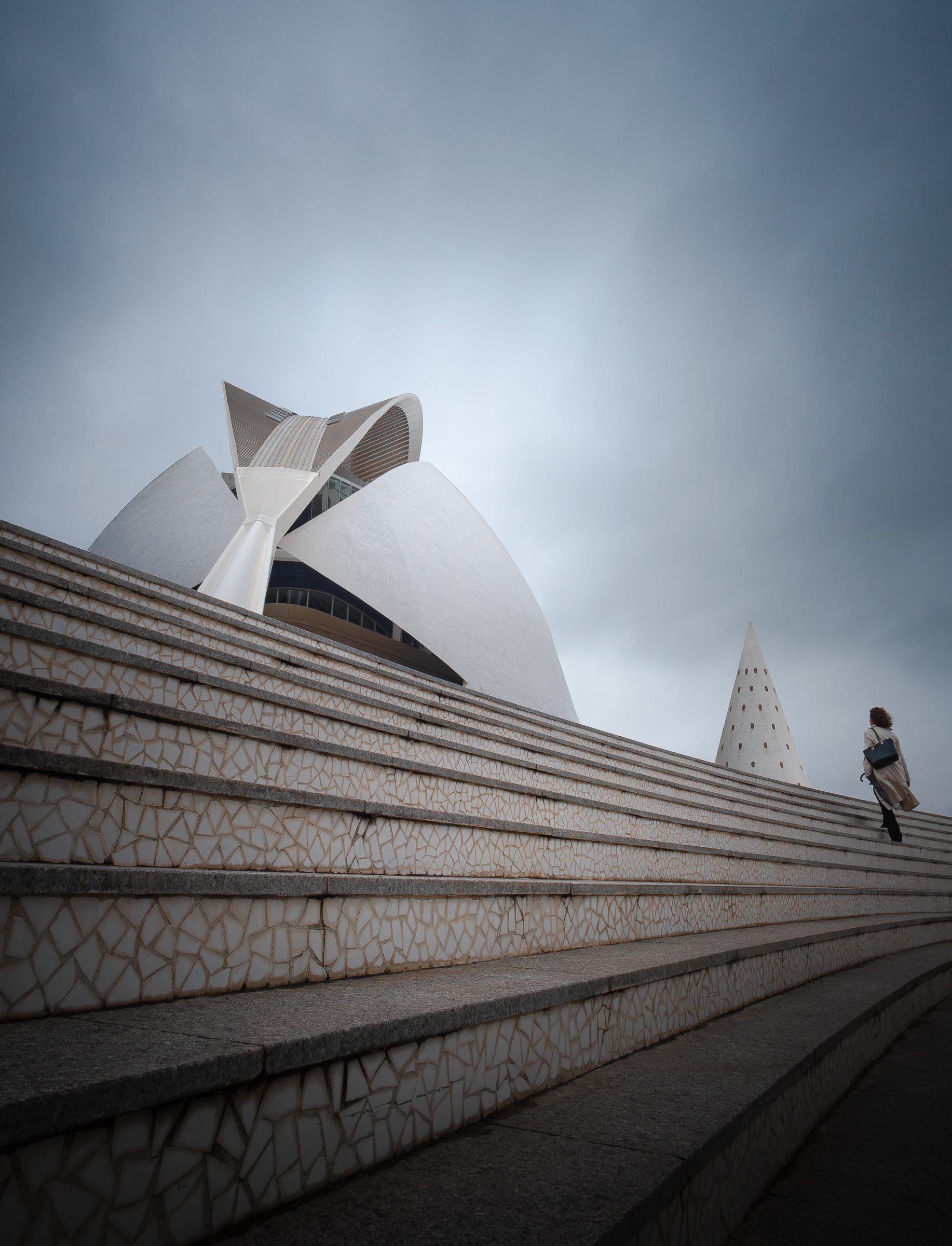
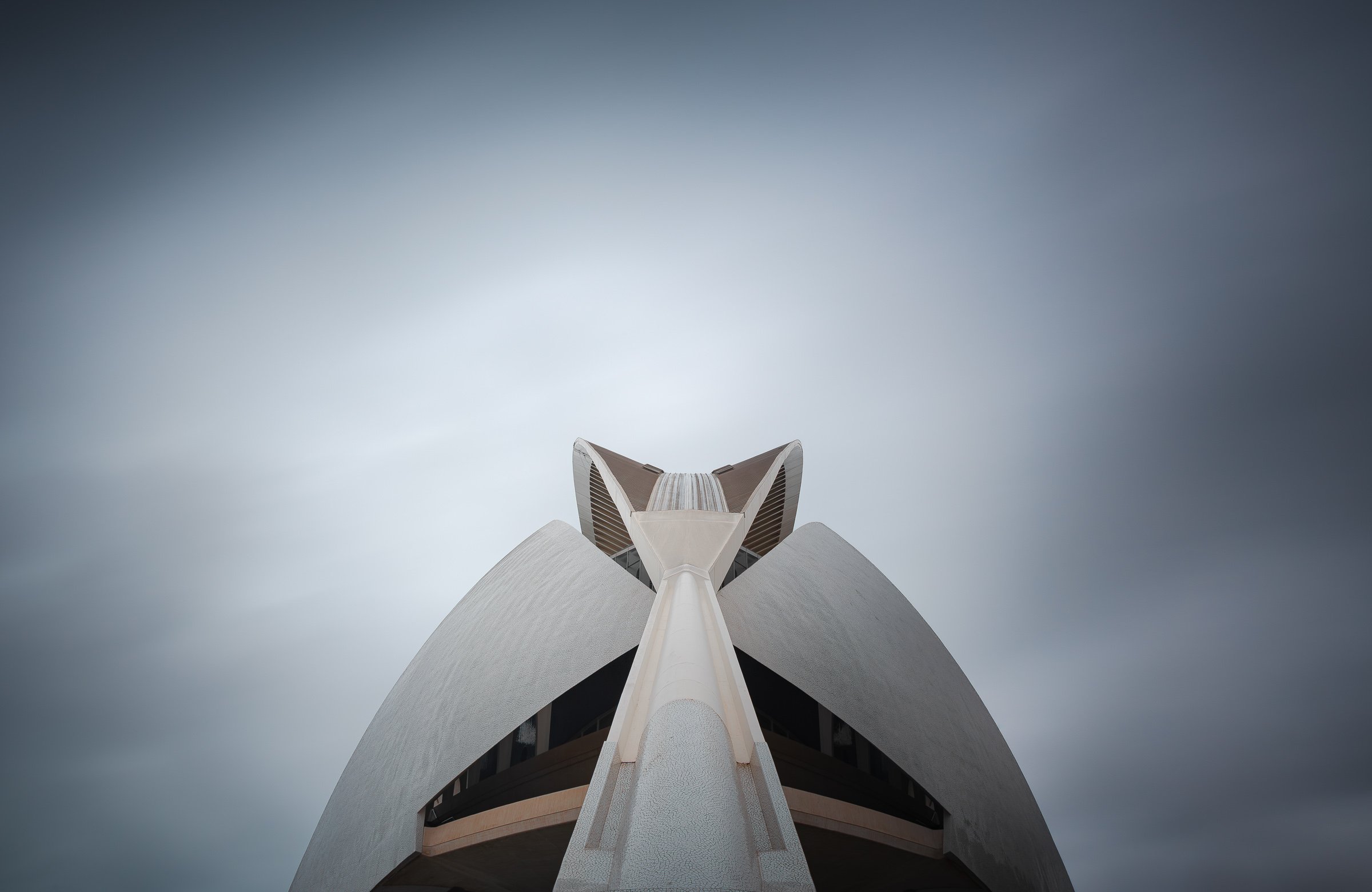
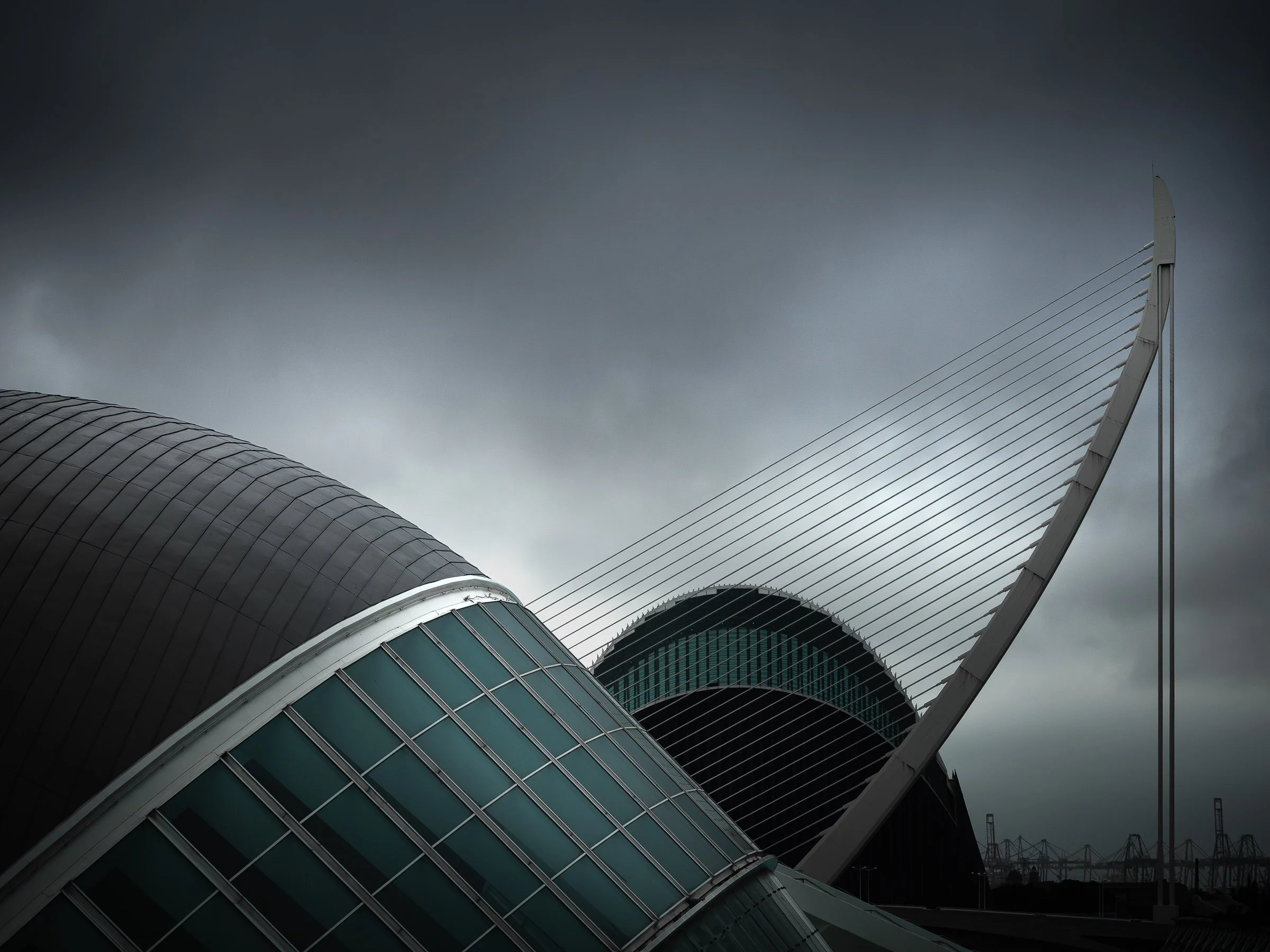
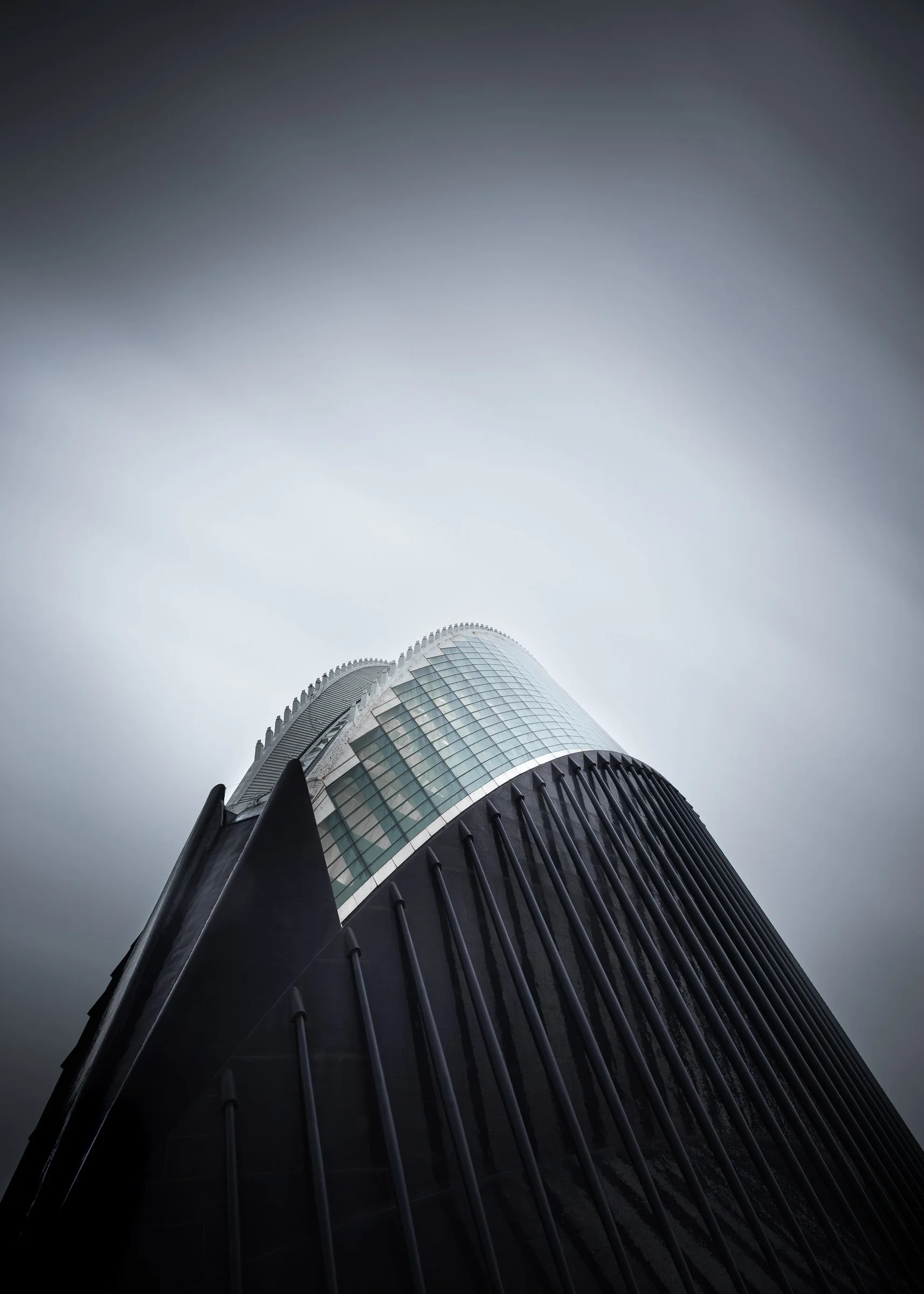
The City of Arts and Sciences, a cultural and architectural complex in Valencia, Spain, is the city’s most important modern tourist destination and one of Spain’s 12 Treasures.
Located at the southeast end of the former riverbed of the Turia River, drained and rerouted after a catastrophic flood in 1957, the complex is situated in a picturesque sunken park.
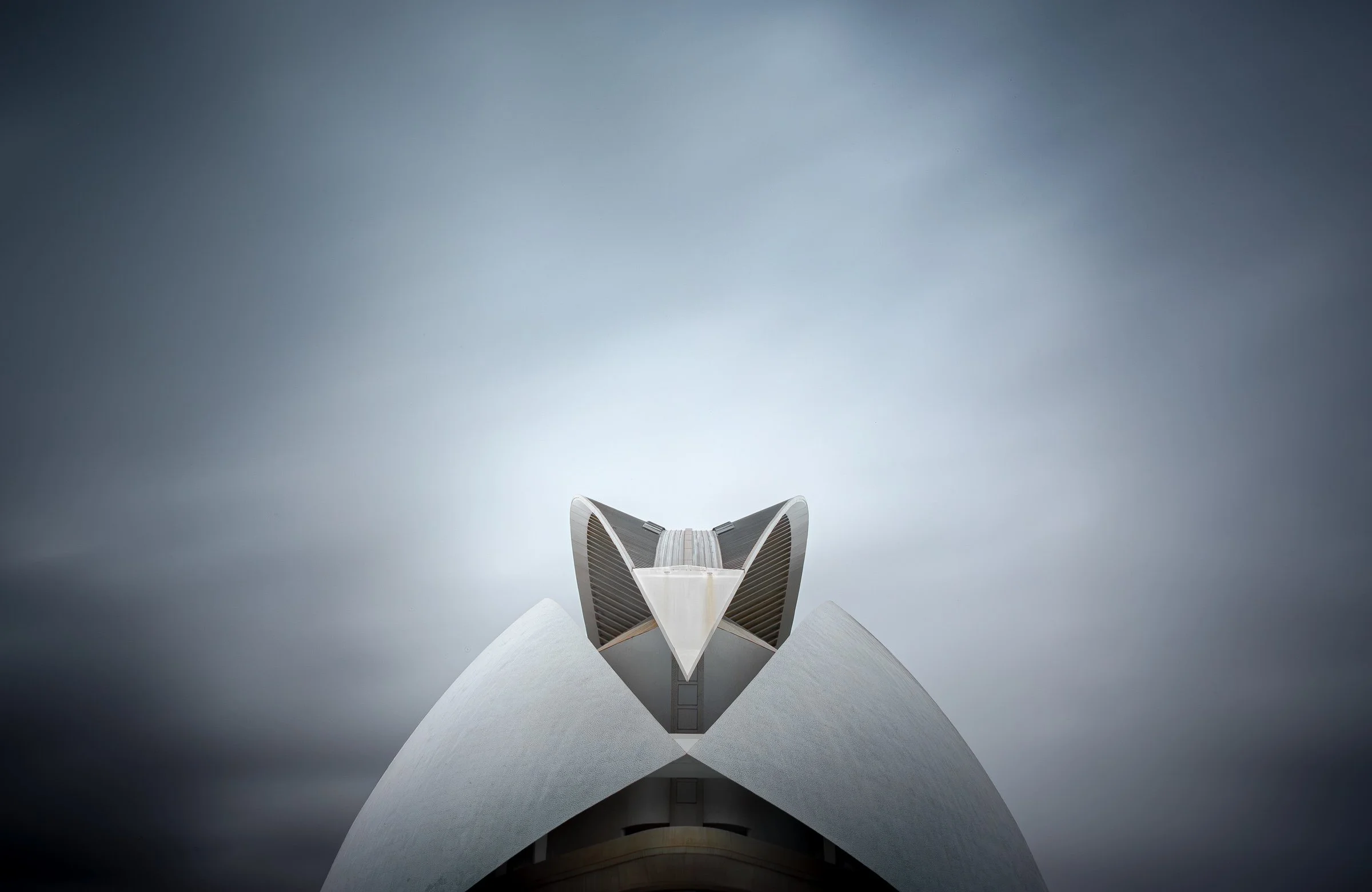
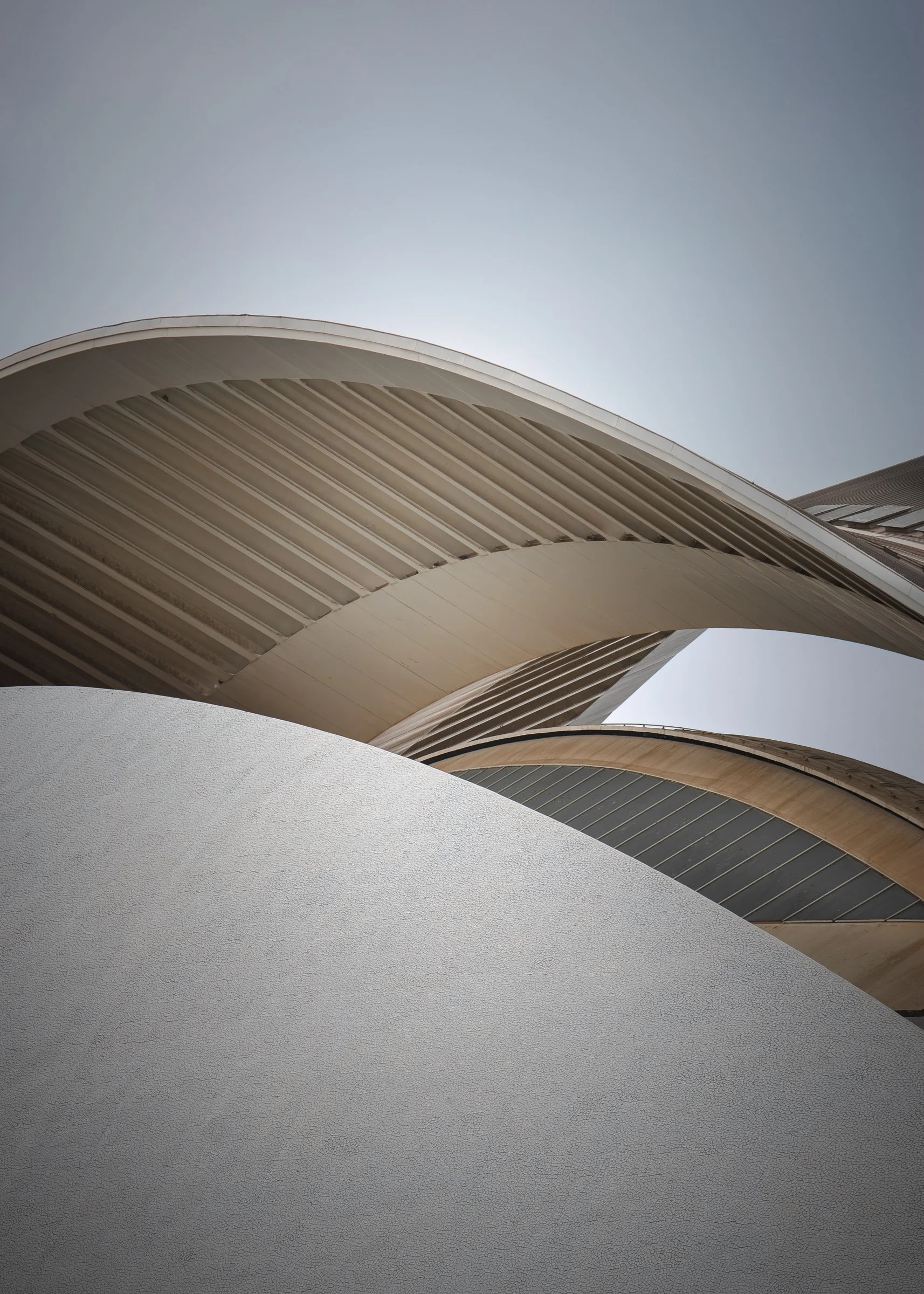
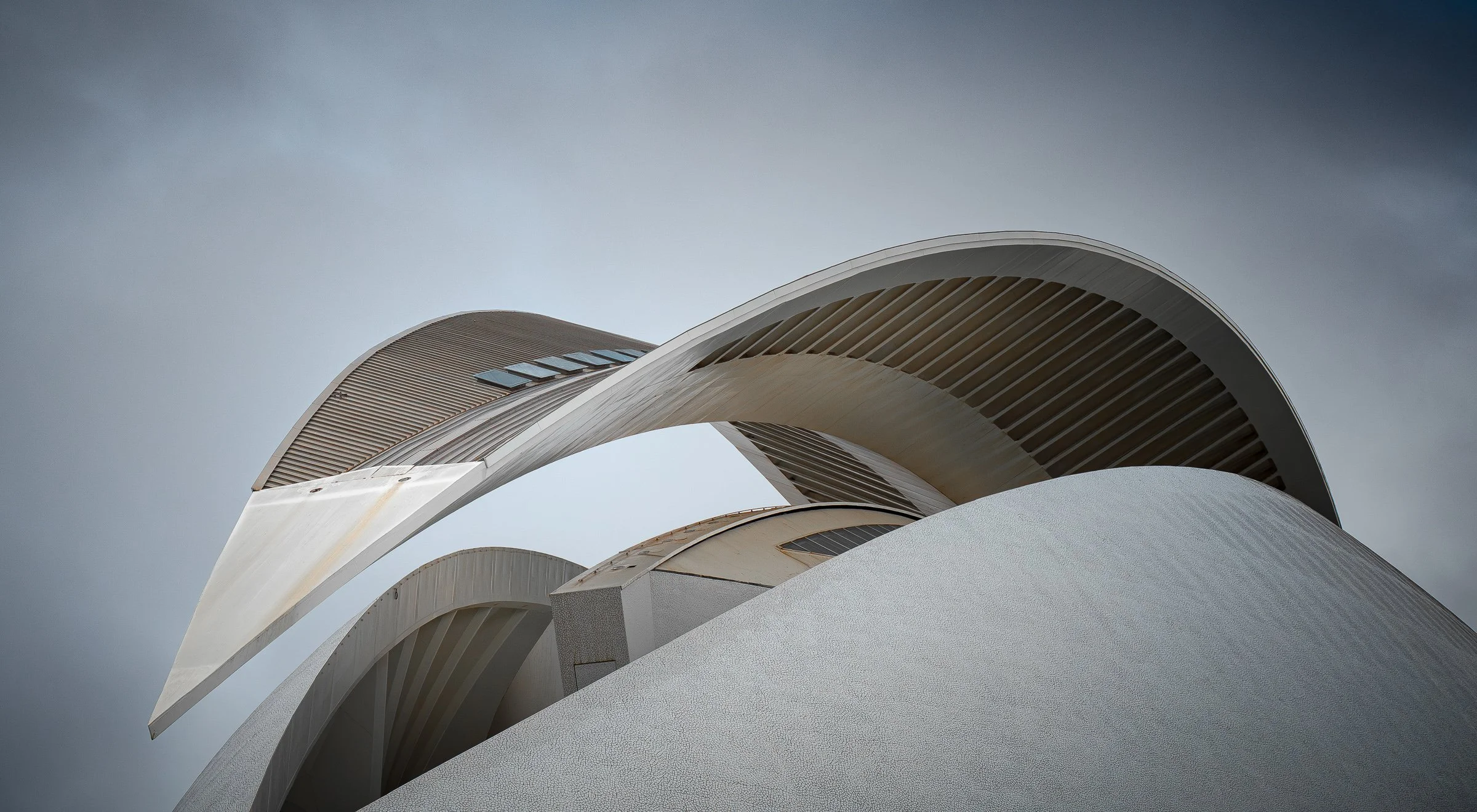
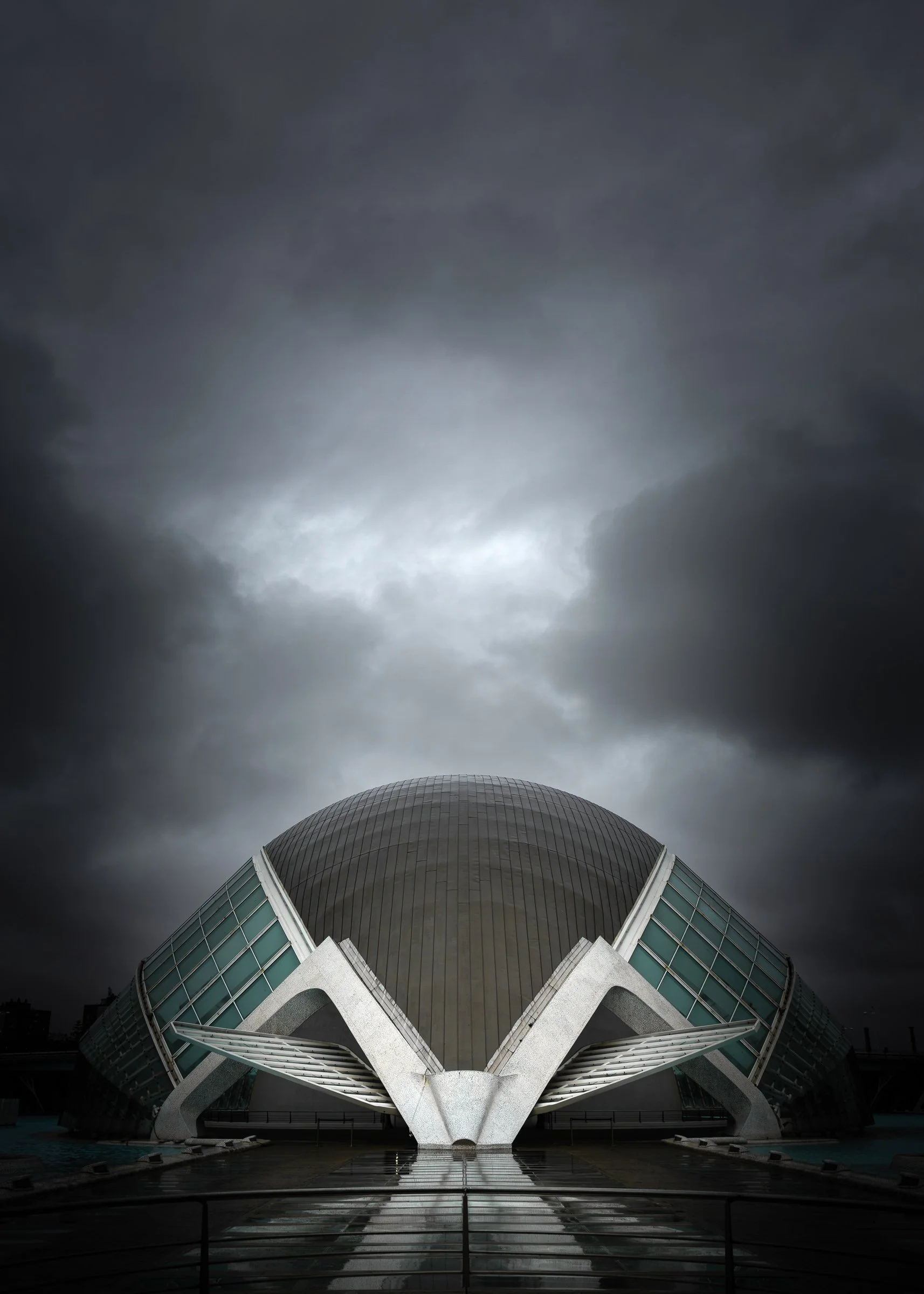
Designed by Santiago Calatrava and Félix Candela, construction began in July 1996. L’Hemisfèric opened on 16 April 1998, followed by the Palau de les Arts Reina Sofía on 9 October 2005, Valencian Community Day. L’Àgora, the most recent building, opened in 2009.
Originally budgeted at €300 million for three structures, the project tripled in cost due to additional buildings.
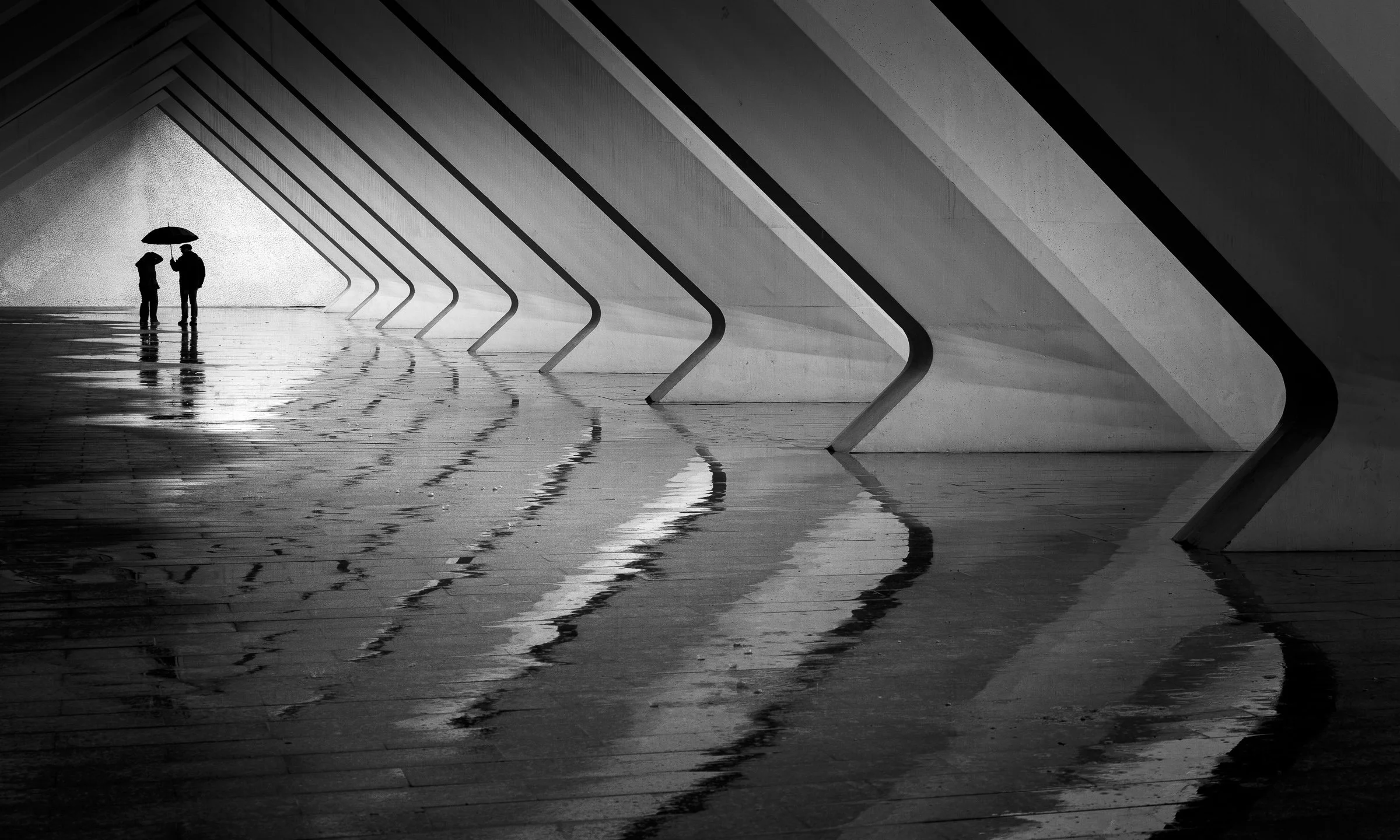
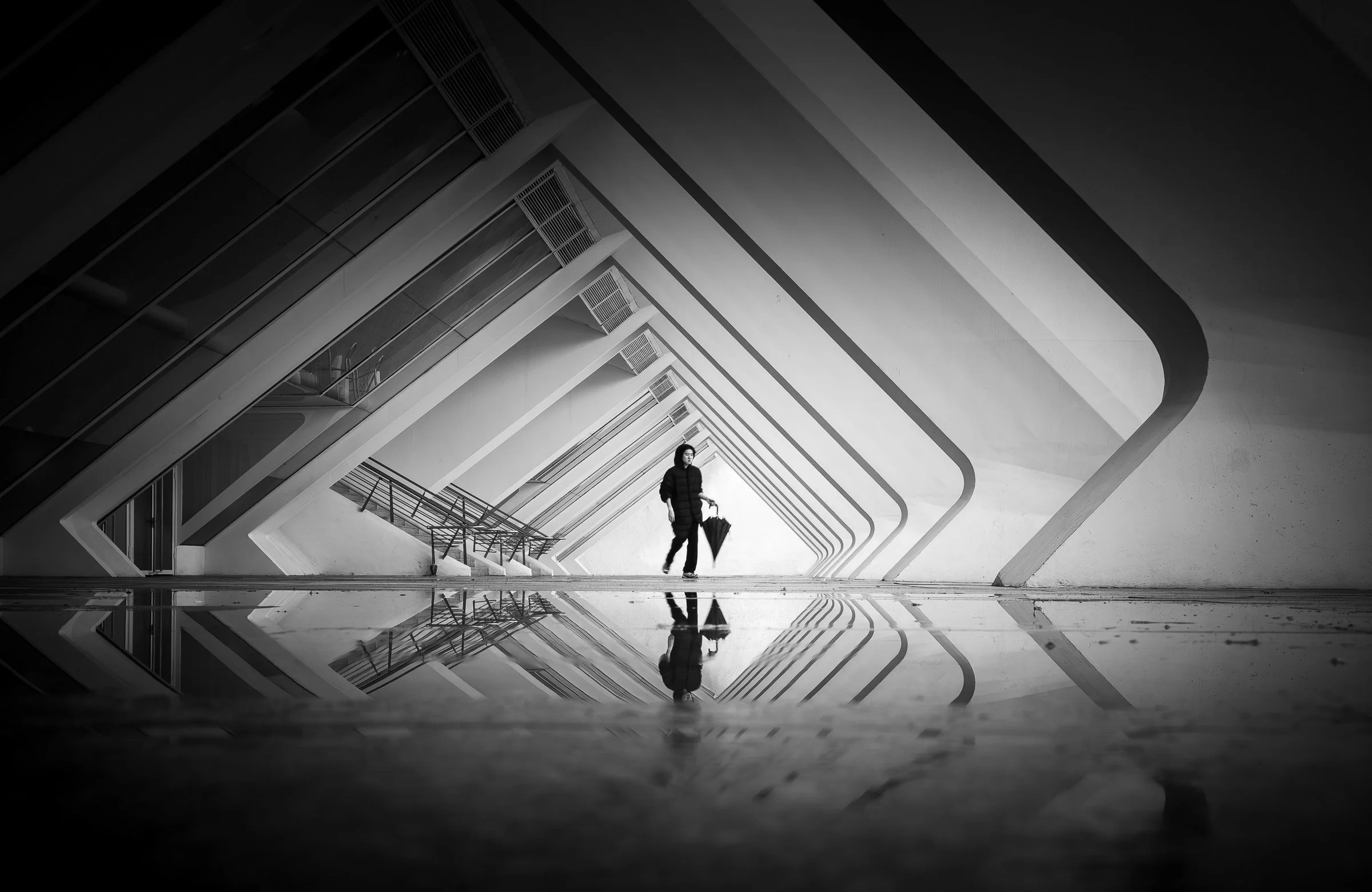
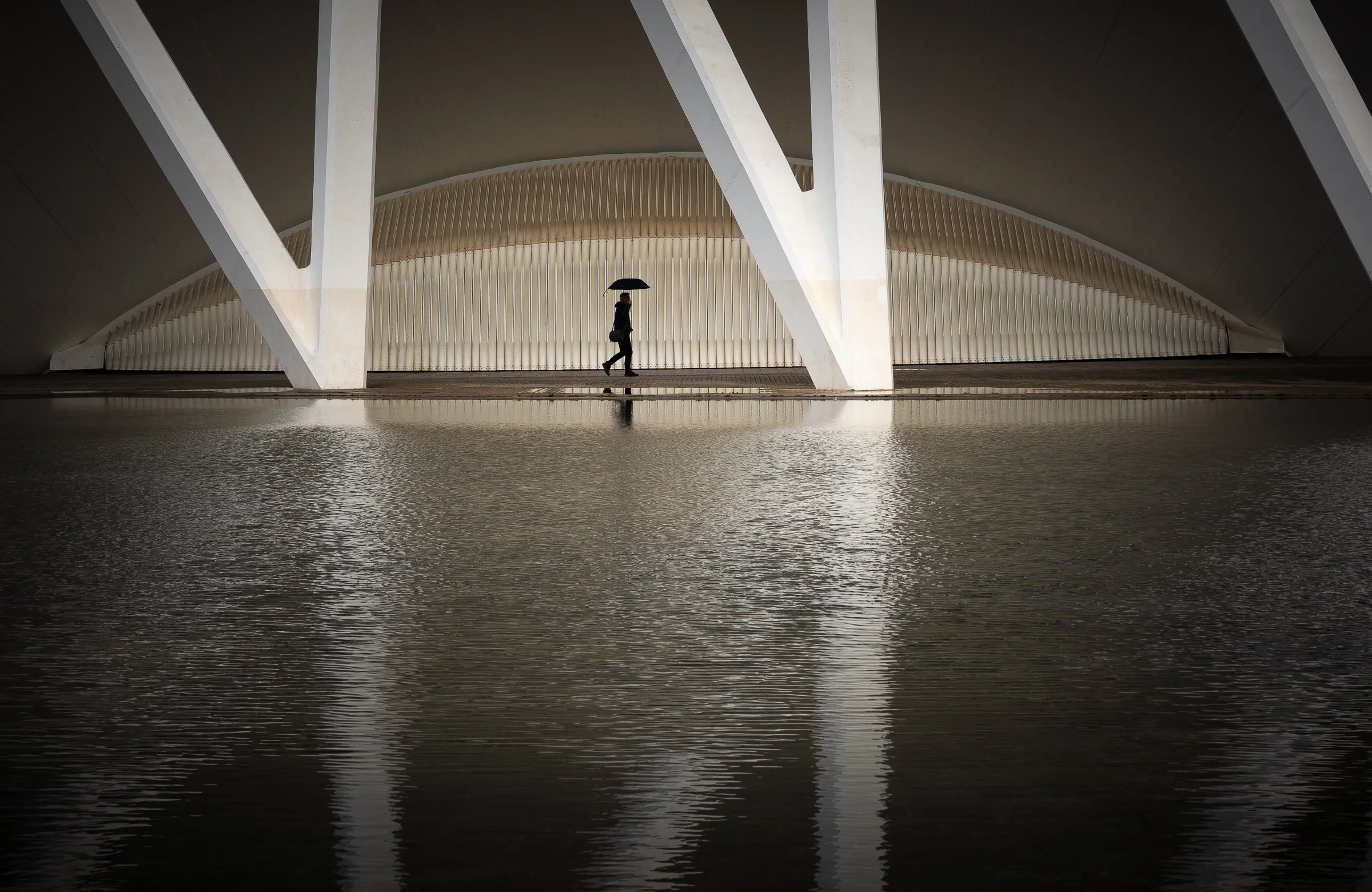
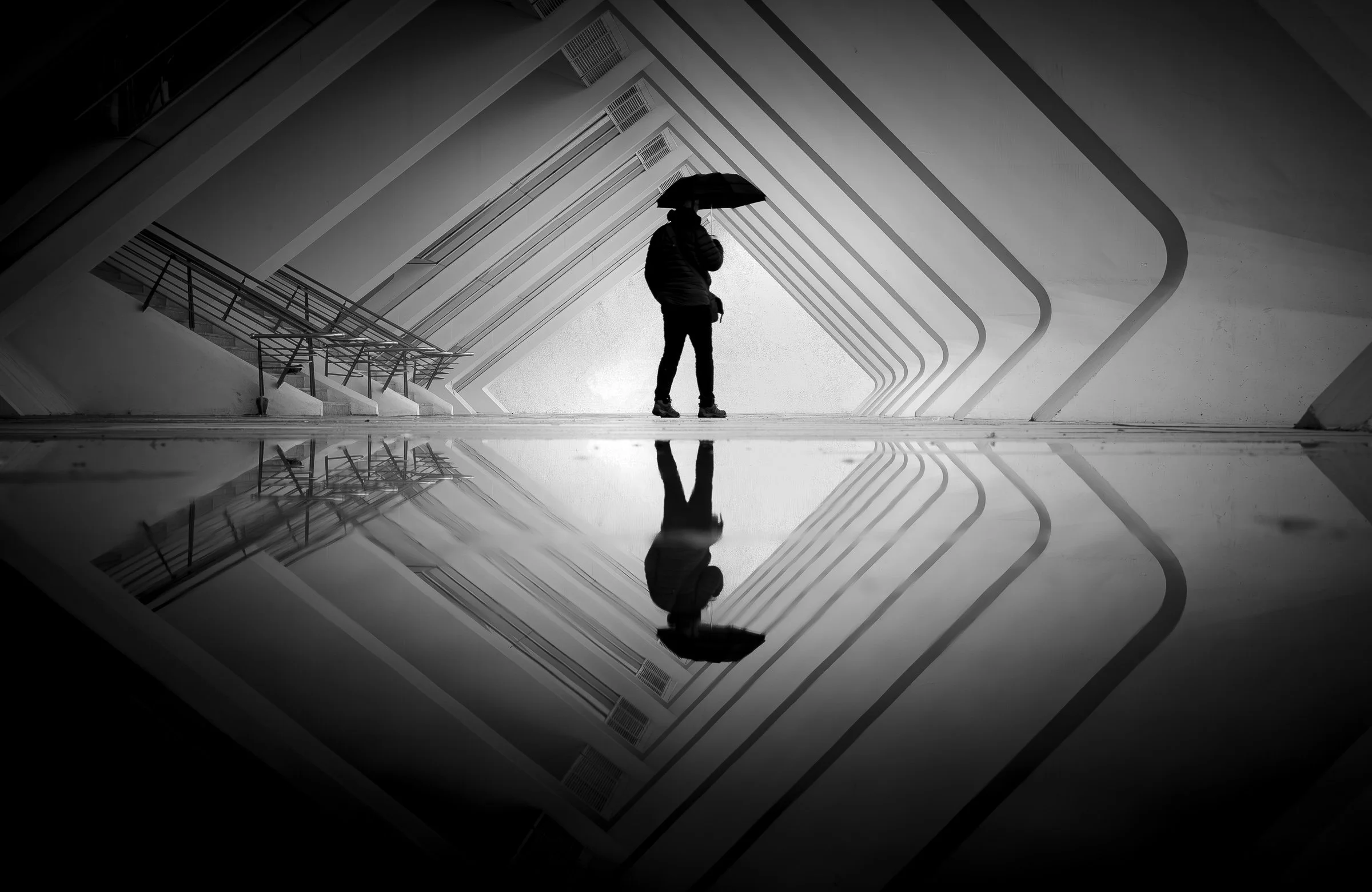
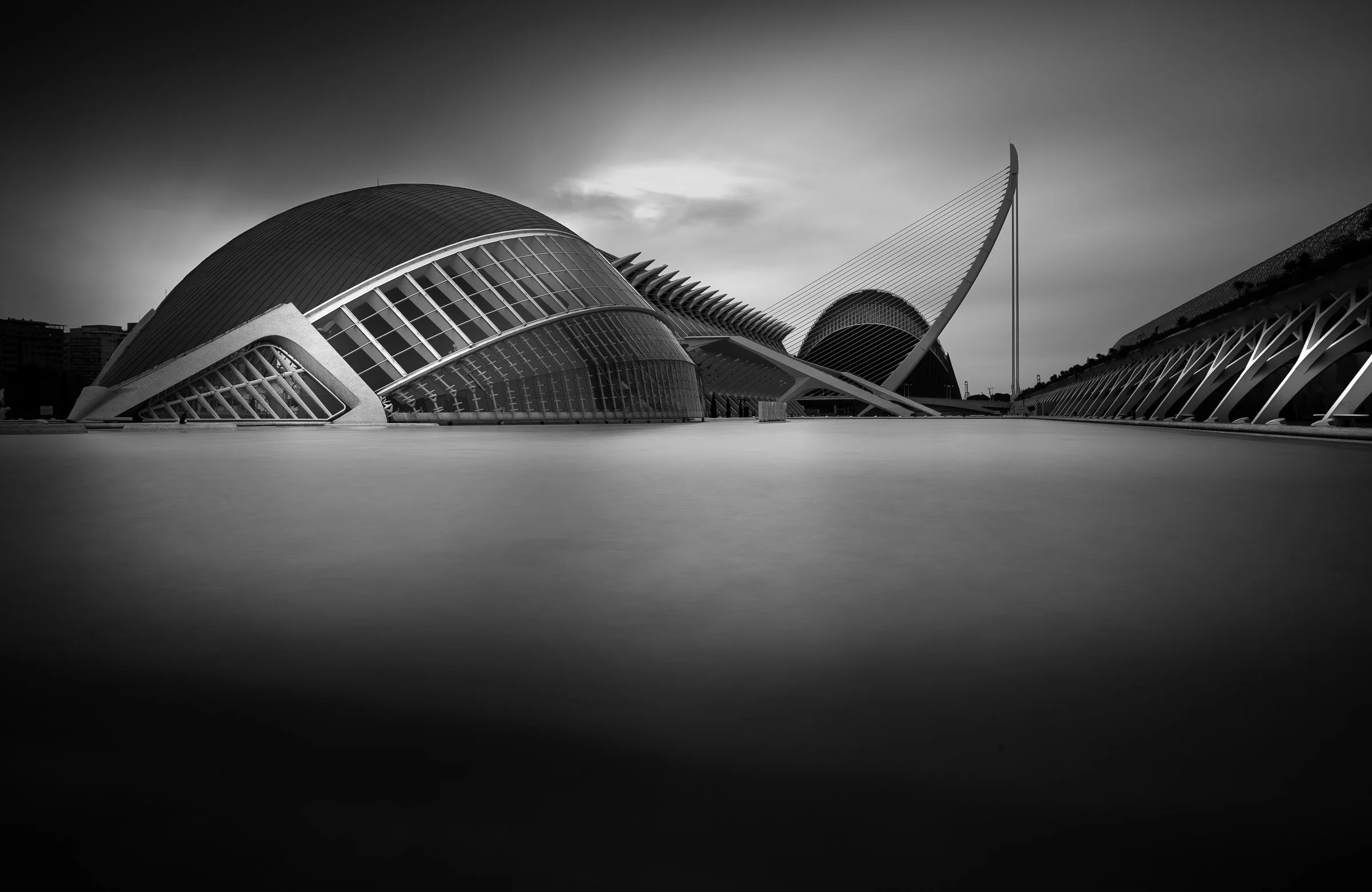
The designers, considering the site’s proximity to the sea and Valencia’s dry climate, decided to incorporate water as a major element throughout the complex, using it as a mirror for the architecture.
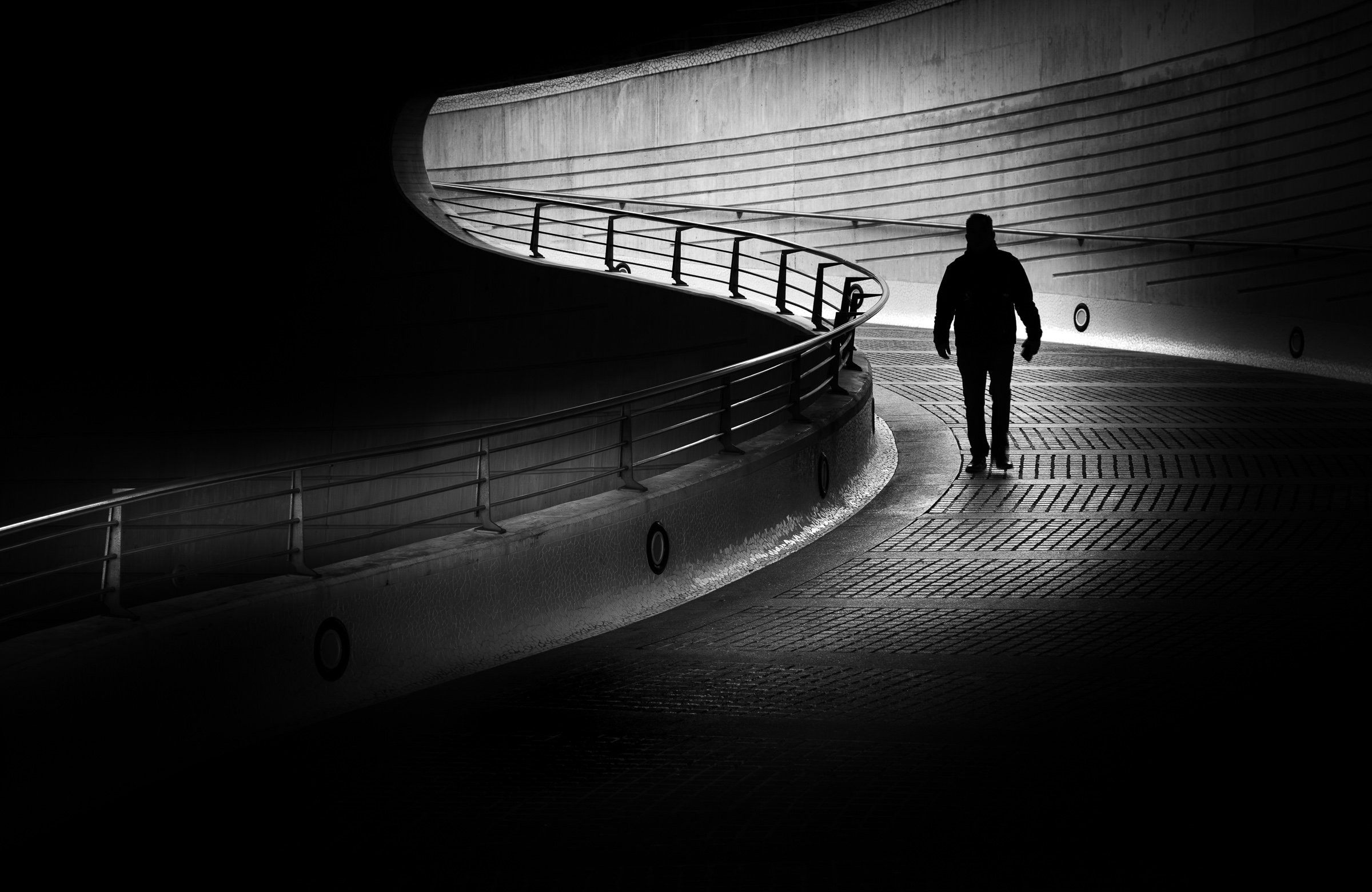
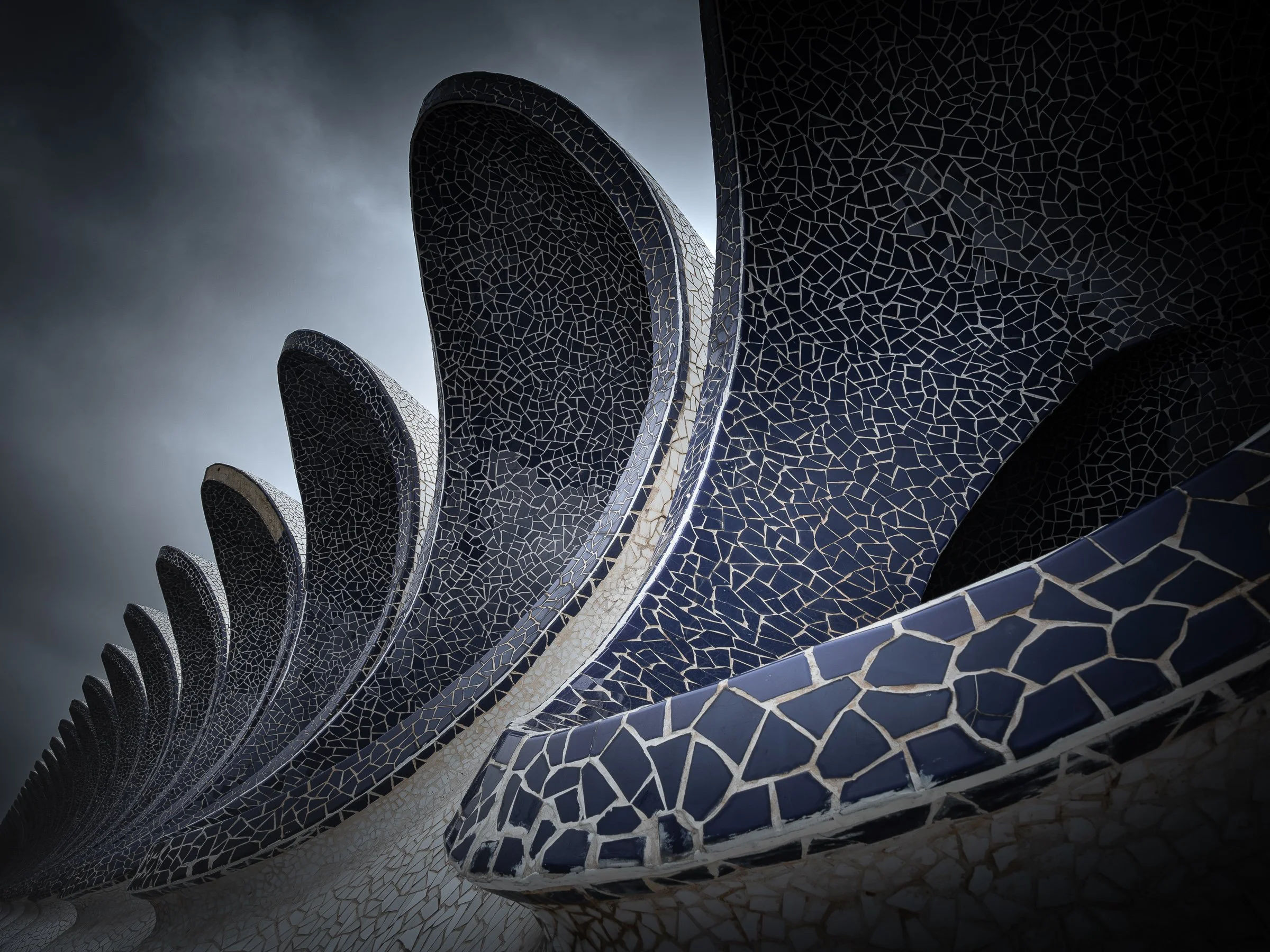
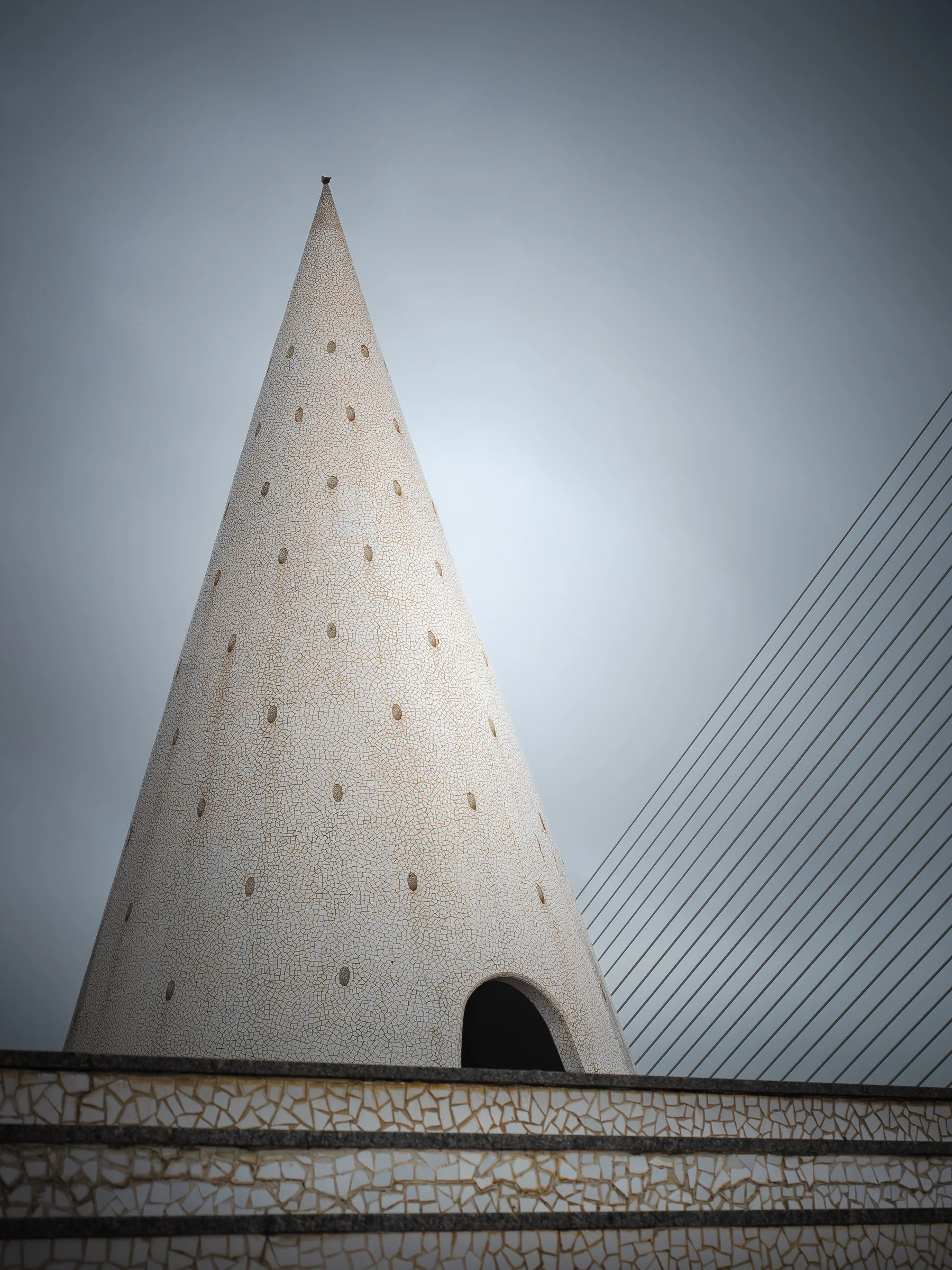
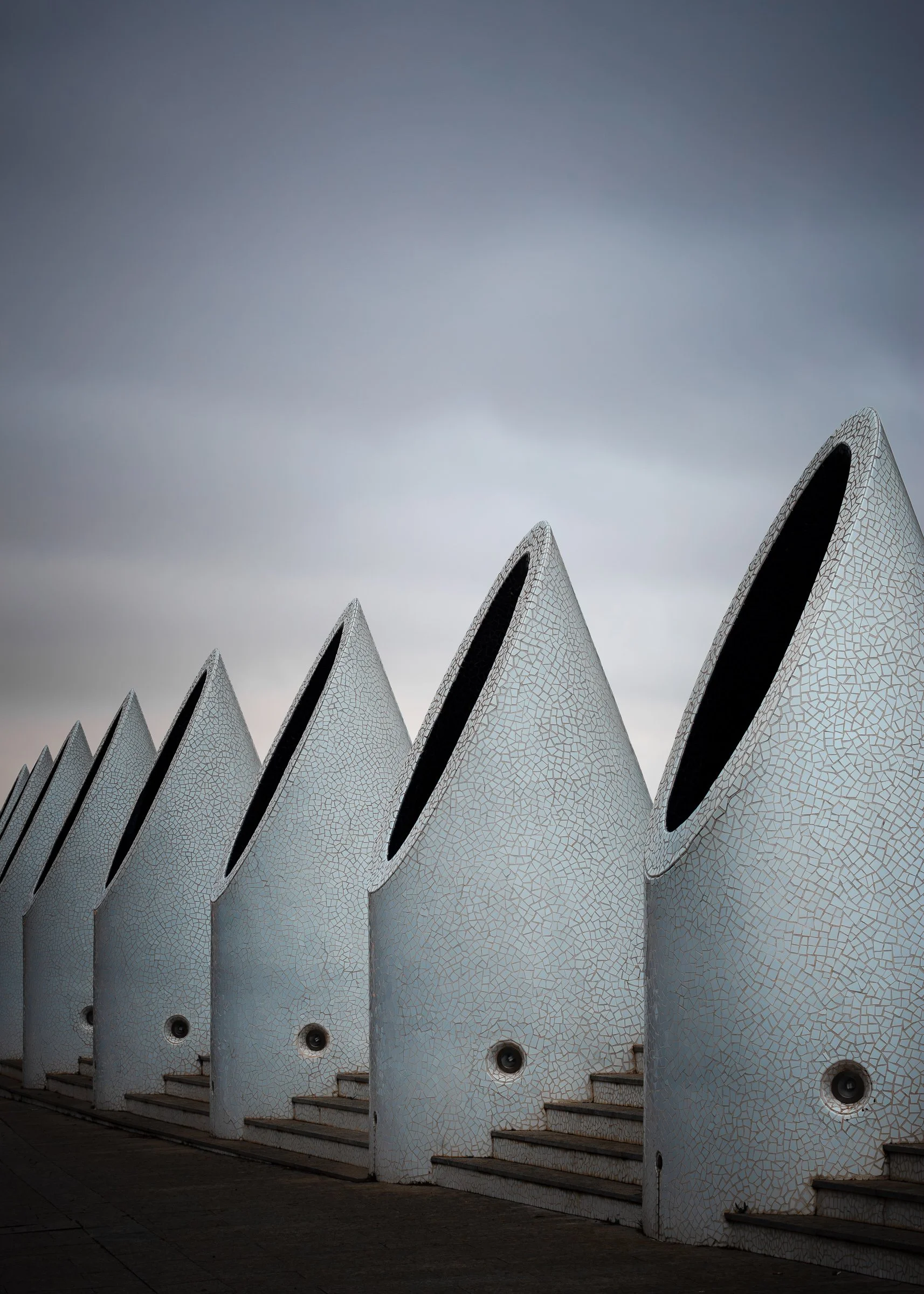
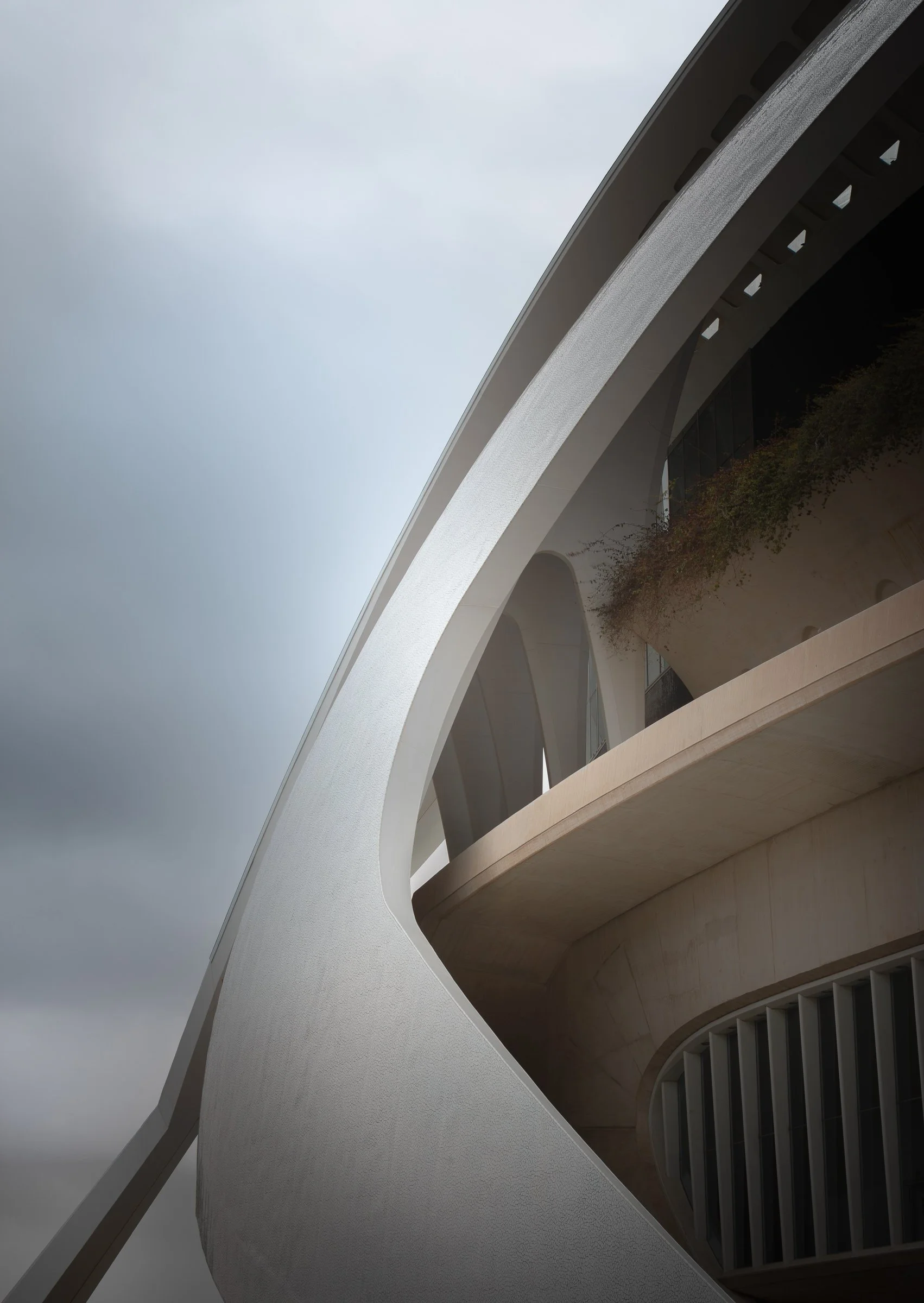
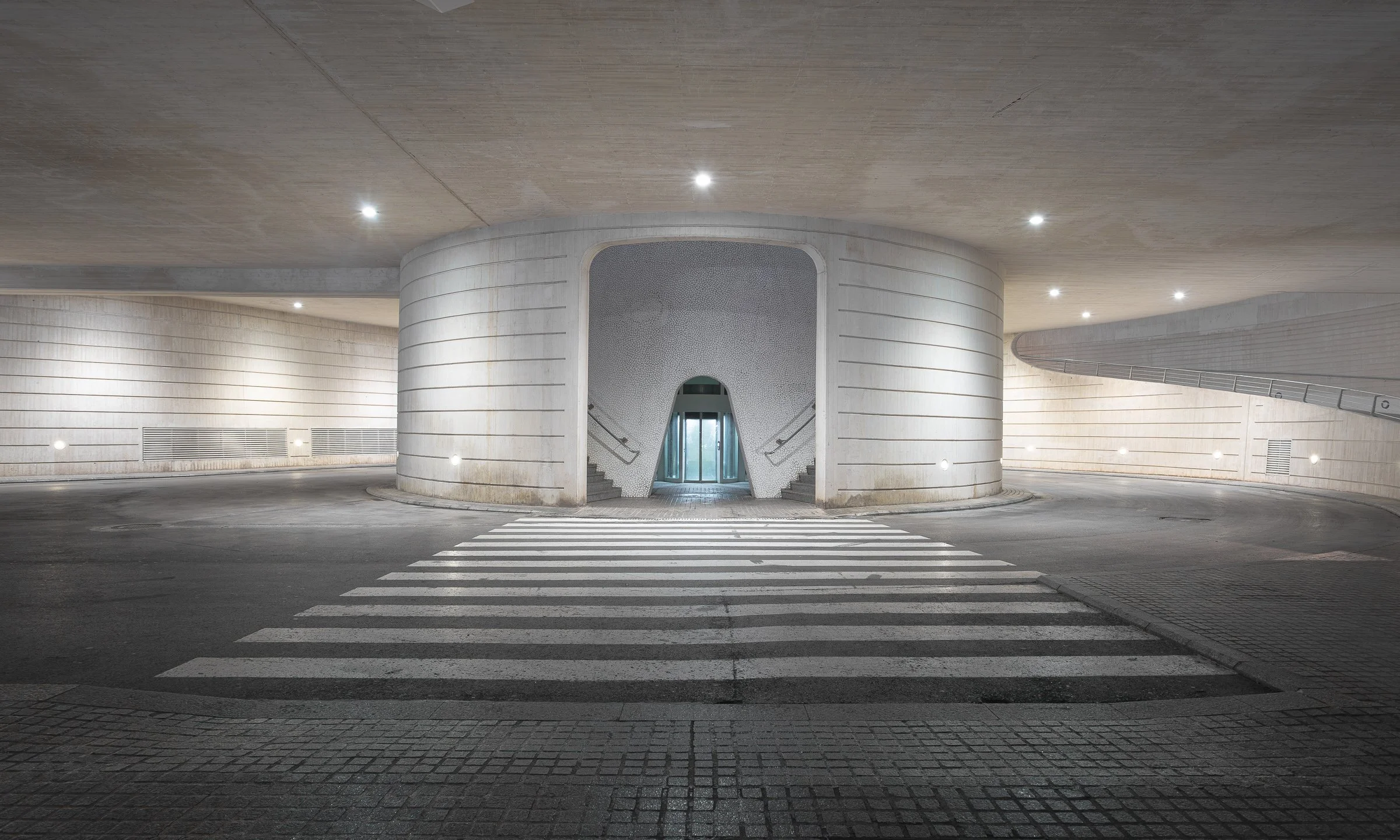
Another unifying element was the use of the city’s traditional heritage, specifically ceramic mosaic tiles known as “trencadis”. These tiles were widely used as the exterior layer over the concrete surfaces of many buildings, structures, and elements of the promenade throughout the complex.
The City of Arts and Sciences has been used for numerous film and TV productions, including Doctor Who, Westworld, and the Star Wars spin-off Andor.
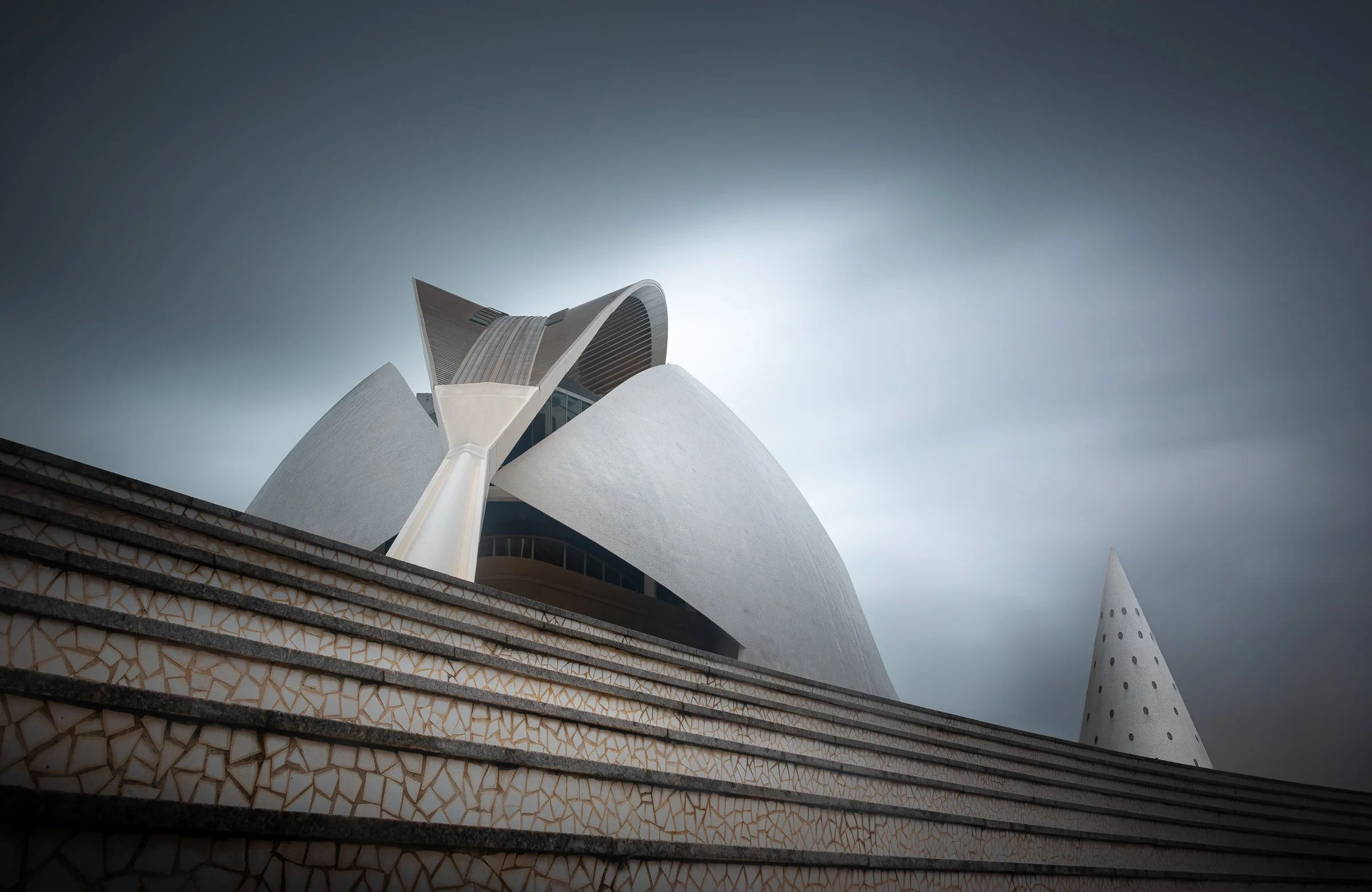
Valencia is renowned for its sunny weather averaging 300 days annually. However, during our visit the weather was more akin to Scotland. For four days we experienced wind and rain with the surrounding lakes resembling lochs. The iconic blue skies were grey and the only reflections were in large puddles.
And I loved it!
As clouds swiftly passed overhead, my approach shifted to long exposure photography. Each unique building standing like a mountain in the Highlands.